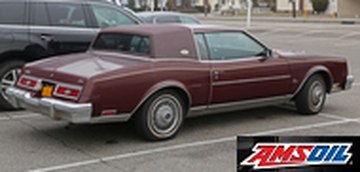
Maintaining Lubrication Integrity for the 1981 Buick RIVIERA 4.1L
Proper engine care for a vehicle of this era requires a focus on consistent monitoring and high-quality fluid management. For owners of a 1981 Buick RIVIERA equipped with the 4.1L engine, maintaining the lubrication system is a fundamental aspect of long-term mechanical health. Because older engines operate under specific thermal and mechanical stresses, staying proactive with inspections can help identify potential issues before they escalate into more significant repairs.Monitoring Fluid Condition and Consumption
One of the most effective ways to monitor the health of the 4.1L engine is through regular observation of fluid levels and the physical condition of the oil itself. Changes in how much oil the engine uses or how the oil appears during a check can provide important clues about the internal state of the engine. If you notice that the oil level on the dipstick is dropping more rapidly than expected between service intervals, it warrants closer investigation. While some consumption can occur as engines age, significant changes should be addressed. Additionally, pay attention to the color and texture of the lubricant. Extremely dark or gritty oil may indicate that the oil is breaking down or that contaminants are present. If the oil appears milky or has a cloudy consistency, this could be associated with coolant entering the lubrication system, which requires immediate professional attention. Beyond just checking levels, observing the area around the engine for any signs of seepage is a vital part of routine maintenance. Inspecting gaskets and seals for evidence of weeping or active leaks can help you manage minor issues before they lead to significant fluid loss.Systematic Inspection of Engine Components
A thorough approach to maintenance involves looking beyond just the oil itself. When performing routine service, it is beneficial to inspect various peripheral components that support the engine's operation.- Hoses and Connections: If present, inspect all visible rubber hoses for signs of cracking, softening, or bulging. Maintaining the integrity of these components helps prevent cooling system issues that can lead to overheating.
- Drive Belts: If equipped, examine accessible drive belts for any evidence of glazing, fraying, or surface cracks. A belt that shows significant wear may eventually fail, affecting various engine-driven accessories.
- Electrical Integrity: Inspect wiring harnesses and electrical connectors for signs of heat damage, corrosion, or loose connections. Ensuring stable electrical signals is important for the overall performance of the vehicle's systems.
- Air Filtration: Check the air cleaner assembly and filter condition. A clean air intake ensures that the engine receives an appropriate volume of unfiltered air, which helps prevent debris from entering the combustion chamber.
Prioritizing Maintenance Through Documentation
For long-term ownership of a 1981 Buick RIVIERA, keeping an organized history of all service performed is highly advantageous. Whether you are the original owner or have recently acquired the vehicle, understanding its maintenance baseline is essential. If the previous service history is unknown, your first priority should be to establish a new baseline. This involves performing a comprehensive inspection and documenting the current condition of all fluids, filters, and major components. Once this baseline is set, you can more easily identify deviations from the norm. For example, if you know exactly when the oil was last changed and what condition the belts were in, you will be much quicker to notice when something begins to change. Maintaining detailed records—including dates, mileage, specific products used, and any observed irregularities—serves two purposes: it helps you stay on top of necessary service and provides a valuable history should you ever decide to sell the vehicle. Consistent documentation is often the difference between reactive repairs and proactive maintenance.Managing Aging Materials and Seals
As vehicles age, the materials used in their construction, such as various gaskets, seals, and rubber components, can undergo changes due to thermal cycling and time. For a 1981 model, it is practical to adopt a condition-based approach to maintenance rather than relying solely on the age of the vehicle. Instead of assuming a component needs replacement simply because it is decades old, focus on what you can see and feel. Inspecting seals for signs of seepage or checking hoses for loss of flexibility provides much more accurate information regarding their actual service life. If you encounter active leaks, addressing them promptly is often more cost-effective than waiting for the leak to worsen. This philosophy of "inspect, then act" allows you to prioritize your maintenance budget toward components that actually show signs of wear or impending failure.Effective Strategies for Engine Care
To ensure the 4.1L engine remains as reliable as possible, focus on consistency. The most effective way to manage an older engine is to avoid sudden changes in operating conditions and to maintain a steady schedule of inspections. When you notice any unusual mechanical noises or changes in how the engine idles, do not ignore them. These symptoms can have many different causes, ranging from minor adjustments to more complex mechanical needs, but they should always be investigated. Similarly, if you observe any unexpected exhaust smoke or evidence of overheating, these are clear indicators that the vehicle requires a professional diagnostic evaluation. By treating maintenance as an ongoing process of observation rather than a series of isolated events, you can maintain much better control over the longevity and performance of your Buick RIVIERA.Buying Engine Oil for the 1981 Buick RIVIERA 4.1L
When it is time to replenish your engine's lubrication, the most important step is to ensure the product matches the specific requirements of your application. Rather than relying on general automotive knowledge or assumptions based on the vehicle's age, you should always refer to the application-specific information provided on this page. Match the engine oil to the vehicle-specific viscosity and application information shown above. When selecting a product, consider the following:- Check the Label: Always verify that the oil you are purchasing meets the appropriate API service classifications listed in your documentation.
- Formulation Options: Depending on your specific needs and the current condition of your engine, you may choose between conventional, synthetic blend, or full synthetic formulations. Some high-mileage oil formulations also contain additives intended for use in aging engines, including seal-conditioning additives.
- Quality Assurance: Ensure the container is properly sealed and that the product is fresh. High-quality lubricants are essential for maintaining thermal stability and effective deposit control within the engine.